
Ranking U.S. presidents by economic impact
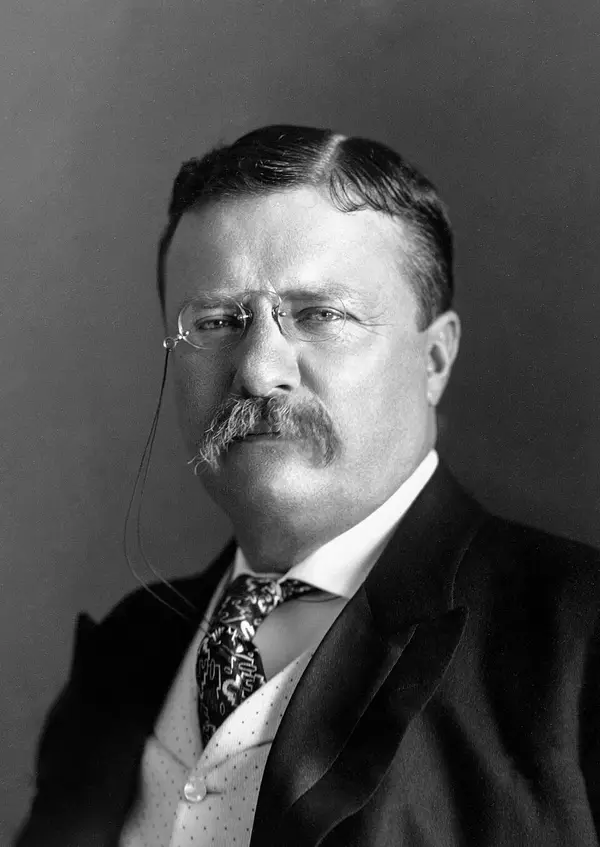
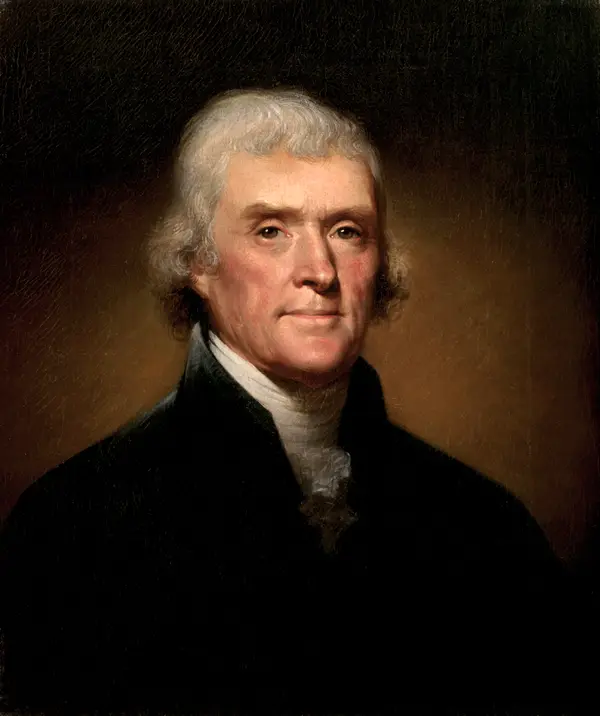
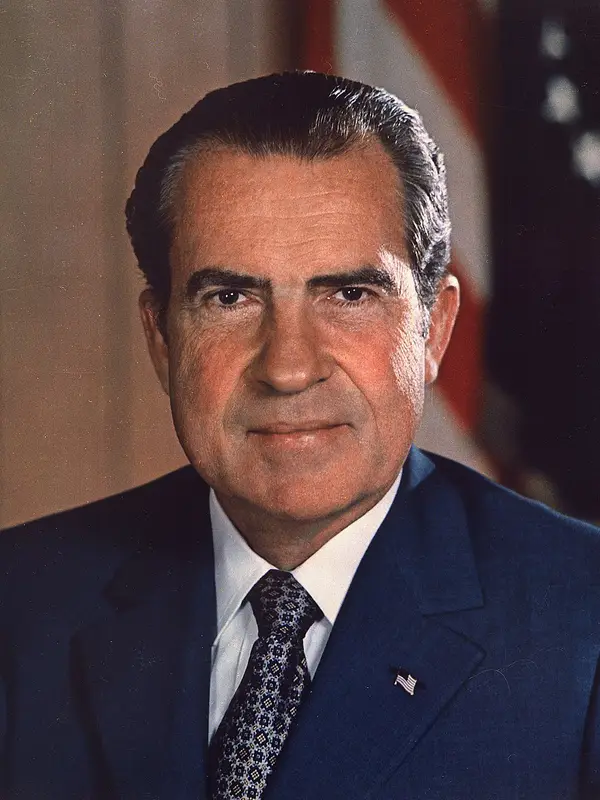
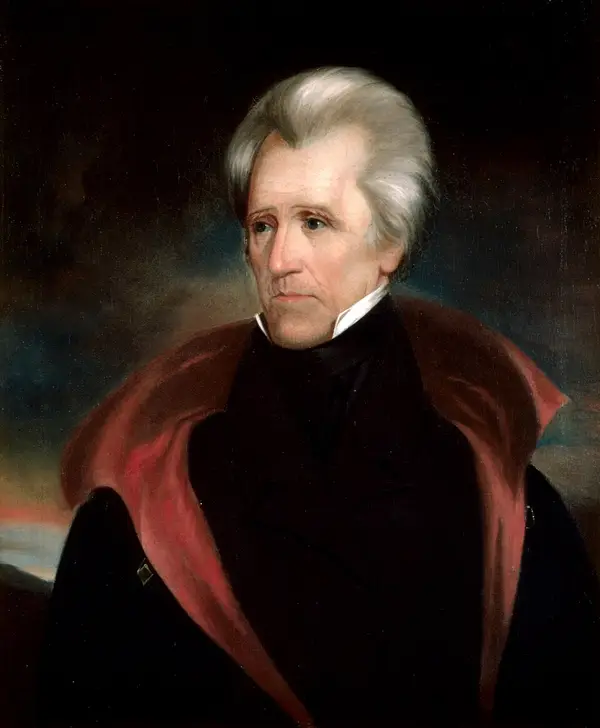
Composite economic-impact score — tap a president to read more.
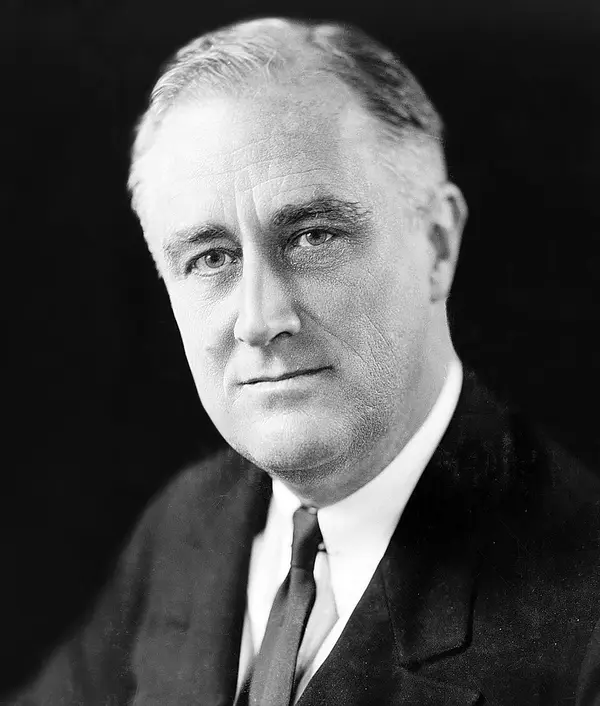

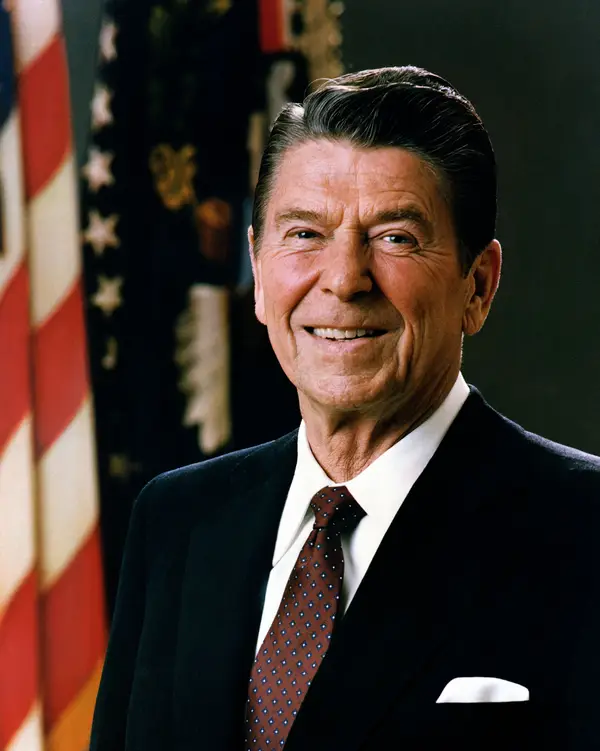

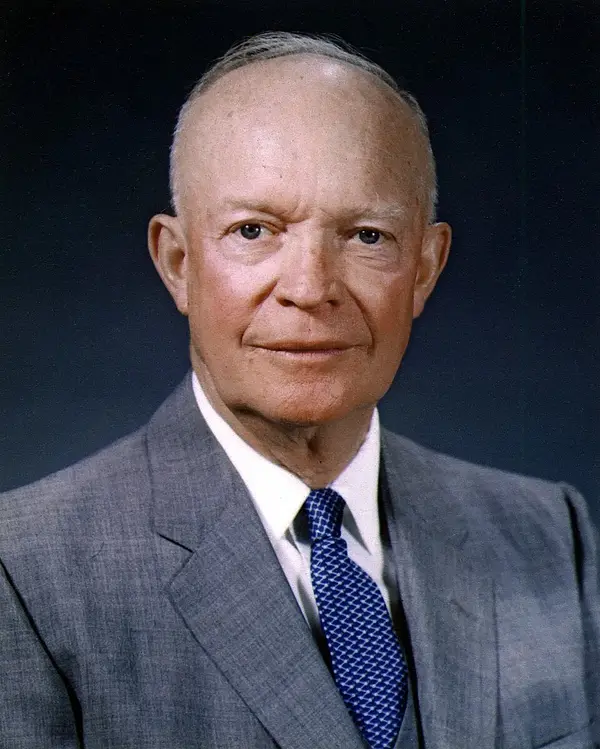

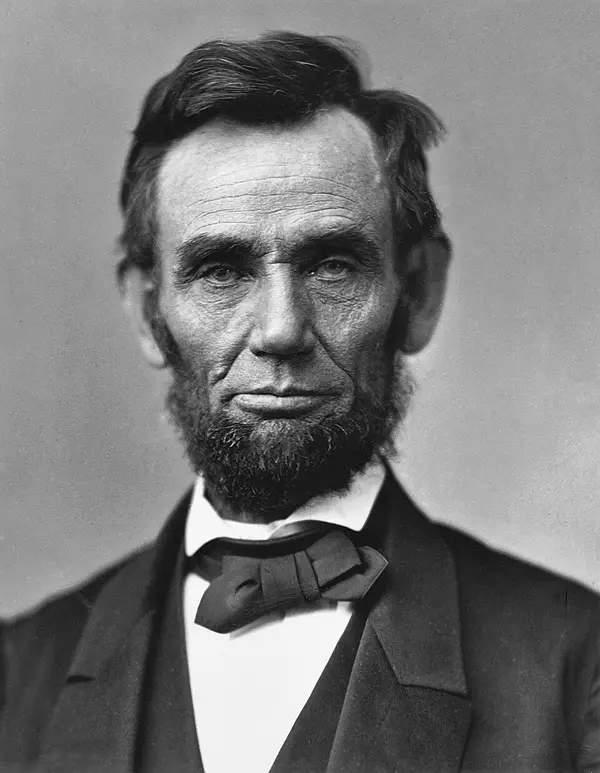





Curious how these rankings affect your money?
Ask Earny — it connects the history to today's rates, bonuses and bank picks.
Find your next account
Compare the best savings, checking, business and CD rates — all ranked monthly, all in one place.
Explore financial categories
← Swipe to explore →
How we rank U.S. presidents
The PickYourBank Presidents Economic Index scores 16 modern U.S. presidents on seven dimensions of economic stewardship: GDP growth, jobs created, inflation control, banking & financial reform, tax policy, trade policy and crisis management. Use the category bar above to rank by a single dimension, or stay on Overall for the composite average. Scores are editorial estimates intended for comparison, not financial advice.
Frequently asked questions
Which U.S. president had the biggest impact on the economy?+
By our composite index, Franklin D. Roosevelt ranks first — the New Deal created Social Security, the FDIC, the SEC, and a permanent federal role in stabilizing the economy. Strong contenders include Abraham Lincoln (national banking, the income tax) and Ronald Reagan (tax cuts and deregulation).
How is the PickYourBank Presidents Economic Index calculated?+
Each president receives editorial 0–100 scores across seven dimensions: GDP growth, jobs, inflation control, banking & financial reform, tax policy, trade policy and crisis management. The Overall score is the average across all seven. Use the category bar above to rank by a single dimension.
Can a president really control inflation?+
Not directly. Inflation is mainly driven by the Federal Reserve's monetary policy, global supply chains, energy markets and demand. A president can influence inflation through fiscal policy — spending, taxation and tariffs — but the Fed's independent control over interest rates is usually the bigger lever.
Why does FDR rank #1 for overall economic impact?+
FDR scores extremely high in banking (FDIC, SEC, Glass-Steagall), jobs (public-works employment), crisis management (Great Depression and WWII) and growth — a combination no other modern president matches.
Are these scores official?+
No. The metrics are editorial estimates built from widely-cited economic history and public sources (BLS, BEA, NBER recession dates, Fed records, historians' surveys). They're intended for comparison and education, not financial advice.